Device Fingerprinting
Device fingerprinting solution with 10+ years of technology, providing access to over 25 data points for device fingerprinting details to analyze risk and device info.
Trusted by thousands of companies



Detect Fake Accounts, Bots, VPNs, Emulators, Fraudulent Users & Duplicate Accounts
Device Fingerprinting by IPQS offers an unparalleled fraud detection solution capable of detecting even the most advanced fraudsters, bad actors, and cybercriminals. Scan over 300 data points (like operating system, screen resolution, fonts) to accurately identify fake devices, location spoofing, and high risk behavior in a user's online fingerprint. Identify bots, automated behavior, device spoofing, & other high confidence signals that the user is likely to engage in fraudulent behavior.

216.73.217.154
...
Device Fingerprinting collects unique details about a user's device to generate a device ID that can be associated with a specific user. Device Fingerprint IDs can be used to track duplicate accounts and returning fraudsters.
Learn More
Mobile device fingerprinting uncovers sophisticated fraud for desktops and mobile apps whenever a user is spoofing their GPS location. Even advanced fraudsters cannot bypass our device fingerprinting GPS spoofing detection.
Learn More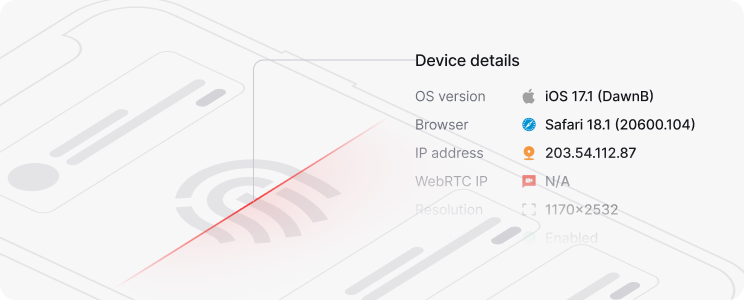
IPQS Device Fingerprinting can reveal advanced fraud techniques including the latest emulator software. Detect browser spoofing, emulators, and similar types of abuse that involve device spoofing or operating system emulation.
Learn More
Identify non human traffic and block bots in real-time with advanced bot fingerprinting.
Learn More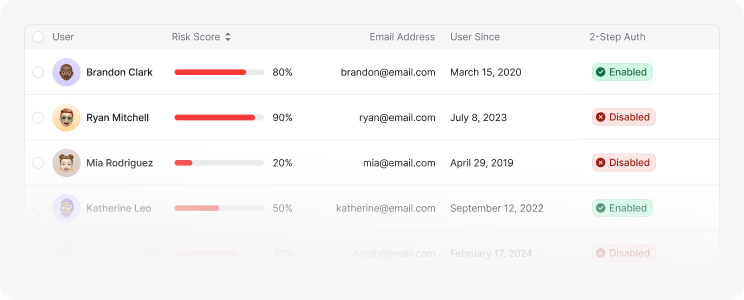
Fraudsters use a combination of the methods above and similar abusive behavior for carding attacks, fake account creation, and even account takeover attacks. Browser fingerprinting completely mitigates this type of abuse. Block high risk device fingerprints known across our threat network.
Learn MoreIPQS Device Fingerprinting Activity
Web Fingerprinting At Its Best
Integrate accurate web fingerprinting on your sites for desktop device fingerprinting as well as mobile traffic with just a few lines of code. Track devices with full support for cross device fingerprinting compatible with all web browsers. Mobile apps can use the IPQS mobile device fingerprinting SDK for easy integration with iOS and Android frameworks.
Proactive Detection & Customized Scoring
Track & score users as they move through your platform. Identify bots, spoofed devices, location spoofing, and analyze users against thousands of high risk behavior patterns.
Real-Time Fraud Scoring
Customizable Device Fingerprint Rules Tailored for Your Audience
Detect Duplicate Accounts
Prevent Fraud Before the Damage is Done
Fraud Prevention That Understands Your Audience
Stop fraud before it can impact your business. Device Fingerprinting makes it easy to predict the user's device intent and isolate high risk activity, mitigating any detrimental effects against your business.
Every account has multiple machine learning algorithms & AI processes that learn directly from your audience, so your scoring accuracy is always being improved as more data is processed. This allows for a better user experience without false-positives.
Experience the industry's greatest accuracy rates with over 10x less costs and service fees for device fingerprinting technology. Never pay for onboarding fees or early termination fees, you can cancel at any time.
Automatically identify duplicate accounts, fake user data, frequent abusers, and other types of low quality users. Spend less time reviewing accounts and focus on more important tasks with Device Fingerprinting technology.
Device fingerprinting prevents all kinds of ad fraud including spoofed devices, emulators, residential proxies, device resetting & high risk activity that produces click fraud and fake installs. Protect your advertising budgets and prevent low quality clicks from reaching your advertisers and partners.
IPQS support team is always available for you, any day of the week including holidays. We can additionally assist with the integration process, making it as effortless as possible for your team. You'll always have a human point of contact that you can reach out to.
Device Fingerprinting Explained
Learn more about fingerprinting
Instantly prevent any type of fraud or abuse from chargebacks to click fraud with Device & Bot Fingerprinting by IPQS.
How Accurate Is Device Fingerprinting?
Device fingerprinting can be highly effective for recognizing returning devices and supporting fraud prevention efforts, but its accuracy depends on the quality and diversity of the signals being analyzed. Rather than relying on a single identifier, device fingerprinting combines multiple attributes to create a profile that helps distinguish one device from another.
Accuracy Depends on Signal Quality
The more independent signals available, the more reliable a device fingerprint tends to be. Browser characteristics, hardware attributes, operating system details, network information, and behavioral indicators can all contribute to a stronger device profile.
Best of Device Fingerprinting Technology
Bot Fingerprinting
How Does Device Fingerprinting Work?
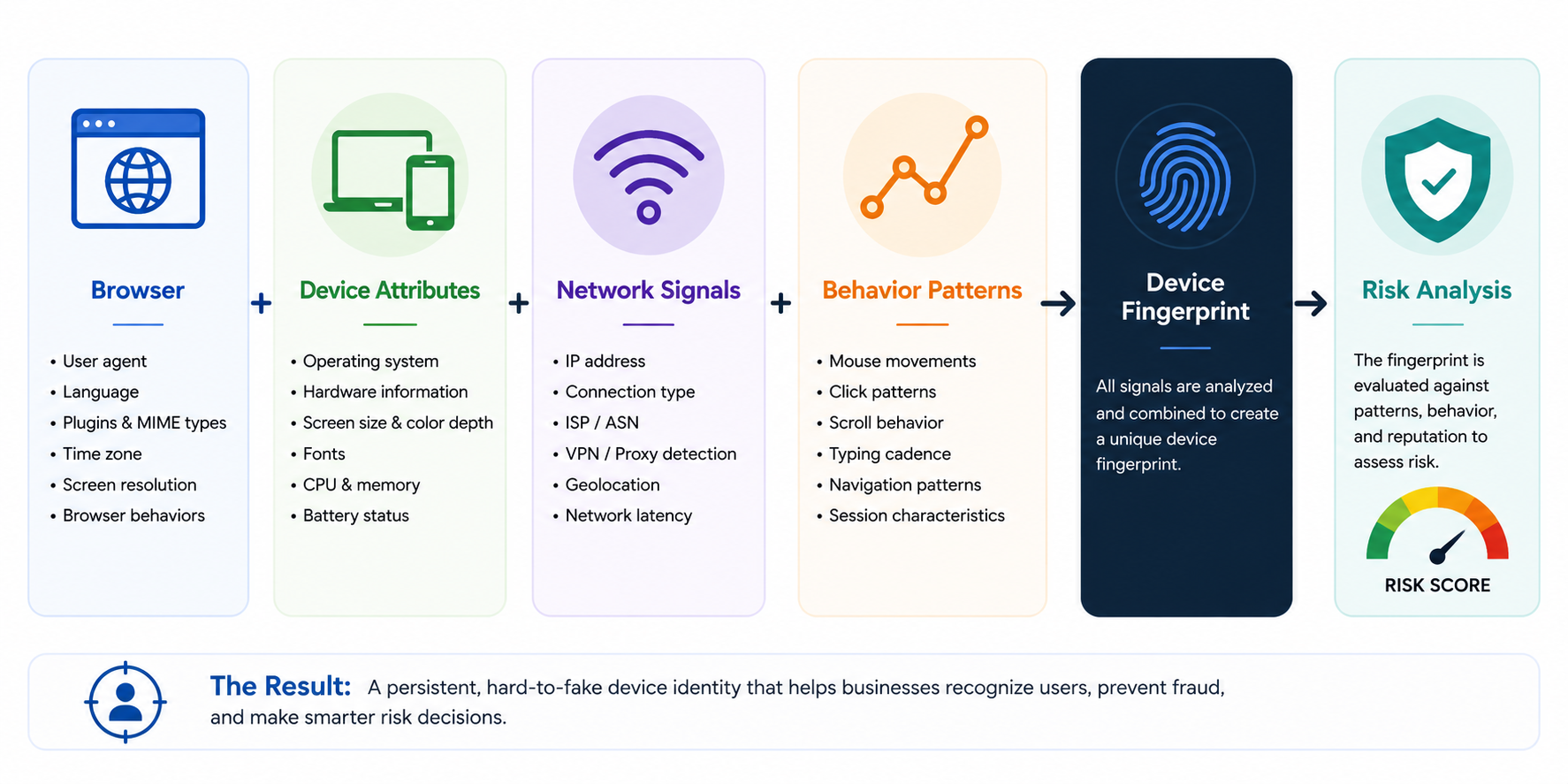
Device fingerprinting is a technique used to recognize and distinguish devices based on a combination of technical characteristics. Instead of relying on a single identifier, device fingerprinting analyzes multiple signals to create a unique profile that can help identify returning devices and support fraud prevention efforts.
Collecting Device and Browser Attributes
When a user visits a website or application, the device generates numerous technical signals. These may include browser type, operating system, screen resolution, language settings, installed fonts, hardware characteristics, and other environmental attributes.
Analyzing Network and Connection Data
Additional information about the connection can provide valuable context. Network-related signals may include IP address characteristics, connection type, geolocation data, and indicators associated with VPNs, proxies, or hosting environments.
Creating a Device Profile
The collected signals are combined to generate a device profile. Because each device configuration is slightly different, the resulting fingerprint can help distinguish one device from another without relying solely on cookies or stored identifiers.
Identifying Returning Devices
When the same device returns, device fingerprinting technology can compare current characteristics against previously observed profiles. This helps organizations recognize repeat visitors, monitor account activity, and identify patterns across multiple sessions.
Supporting Fraud Detection and Risk Analysis
Device fingerprinting is frequently used as part of broader fraud prevention and identity verification strategies. Combined with network intelligence, behavioral analysis, and reputation data, device fingerprints can help identify suspicious activity, account abuse, and other potential risks.
Modern device fingerprinting solutions are most effective when used alongside other independent signals. By combining device intelligence with network, behavioral, and identity data, organizations can make more informed decisions while improving detection accuracy.
Is Device Fingerprinting Legal?
Device fingerprinting is a widely used technology that helps organizations recognize devices, improve security, prevent fraud, and protect online services. Whether device fingerprinting is permitted depends on how it is implemented, the purpose for which it is used, and the laws and regulations that apply in a particular jurisdiction.
Device Fingerprinting Has Legitimate Business Uses
Many organizations use device fingerprinting to support fraud prevention, account security, identity verification, bot detection, and abuse prevention. These security-related applications are commonly used to help protect users and online platforms from malicious activity.
Privacy Regulations May Apply
Various privacy laws and regulatory frameworks may affect how organizations collect, process, and store device-related information. Requirements can vary based on location, industry, and the specific use case. Organizations are generally responsible for ensuring their implementation complies with applicable laws and regulations.
Transparency and Disclosure Are Important
Many organizations provide information about device fingerprinting and related technologies within their privacy policies, terms of service, or other disclosures. Clear communication helps users understand how information is collected and used.
Security and Fraud Prevention Are Common Use Cases
Device fingerprinting is frequently used as part of broader security programs designed to reduce account takeovers, prevent fraudulent transactions, identify automated activity, and protect legitimate users. These applications often focus on risk assessment and abuse prevention rather than advertising or user tracking.
Legal Requirements Vary by Jurisdiction
Privacy and data protection laws differ between countries and regions. Organizations using device fingerprinting should evaluate their legal obligations and consult qualified legal professionals when determining compliance requirements for their specific circumstances.
Device fingerprinting is an important security technology used throughout the internet, but organizations should carefully consider privacy, transparency, and regulatory requirements when implementing any device intelligence solution.
Can Device Fingerprints Be Spoofed?
Yes, device fingerprints can be spoofed or manipulated, which is one reason modern fraud prevention systems typically rely on multiple independent signals rather than device fingerprinting alone. Sophisticated attackers may attempt to modify browser settings, use virtual machines, rotate devices, or employ specialized tools designed to disguise or alter device characteristics.
How Fraudsters Attempt to Spoof Device Fingerprints
Attackers may use browser modifications, privacy tools, emulators, anti-detect browsers, and virtual environments to change the attributes that contribute to a device fingerprint. These techniques are intended to make a device appear different from previous sessions or resemble legitimate users.
Why Spoofing Is Difficult to Do Consistently
While individual attributes can often be modified, maintaining a believable and consistent device profile across numerous signals is significantly more challenging. Device fingerprinting systems evaluate combinations of characteristics, making it more difficult to successfully manipulate every signal at once.
Behavioral Patterns Can Reveal Manipulation
Even when technical device attributes are altered, user behavior may still reveal suspicious activity. Unusual navigation patterns, automated interactions, account creation behavior, and other signals can provide additional context that supports fraud detection.
How Device Fingerprinting Helps Prevent Fraud
Device fingerprinting plays an important role in modern fraud prevention by helping organizations recognize devices, identify suspicious patterns, and detect activity that may indicate abuse. By analyzing a combination of device, browser, and network characteristics, businesses can gain valuable insight into user behavior and risk.
Preventing Fake Account Creation
Fraudsters often create large numbers of accounts using automated tools, temporary identities, or rotating infrastructure. Device fingerprinting can help identify when multiple registrations originate from the same device or environment, even when account details change, drastically reducing fake account creation.
Detecting Account Takeover Attempts
When a known account suddenly begins accessing services from an unfamiliar device profile, organizations may use device intelligence as one factor when evaluating potential account takeover activity. Unexpected changes can help trigger additional verification or review processes.
Identifying Multi-Account Abuse
Some forms of fraud involve creating numerous accounts to exploit promotions, bonuses, referral programs, or platform resources. Device fingerprinting can help identify relationships between accounts that may otherwise appear unrelated, which helps with user scoring.
Reducing Payment and Transaction Fraud
Device intelligence can help combat ecommerce fraud by providing additional context during transactions. By helping organizations evaluate whether activity is consistent with previously observed behavior, device fingerprinting can help identify common fraud behaviors, such as chargeback fraud.
Supporting Bot and Automation Detection
Automated tools often leave identifiable patterns within device and browser configurations. Device fingerprinting can help distinguish legitimate users from automated activity by analyzing characteristics commonly associated with bots and scripted behavior.
Which Signals Are Used in Device Fingerprinting?
Device fingerprinting works by analyzing a collection of technical characteristics generated by a device, browser, and network connection. Individually, many of these signals are not unique. However, when combined, they can help create a device profile that distinguishes one user environment from another.
Browser Characteristics
Web browsers expose a variety of attributes that can be used during fingerprinting. Common examples include browser type and version, language settings, supported MIME types, installed plugins, time zone information, and browser configuration details.
Operating System Information
Devices often reveal details about their operating systems and software environments. Information such as operating system type, version, and platform characteristics can contribute to a device profile.
Display and Hardware Attributes
Screen resolution, color depth, display settings, available fonts, processor characteristics, memory configuration, and other hardware-related signals may help distinguish devices from one another.
Network Signals
Connection-related information can provide additional context. Network signals may include IP address characteristics, connection type, autonomous system information (ASN), geolocation indicators, and signs of VPN or proxy usage.
Device Configuration Data
Each device has a unique combination of settings and capabilities. Browser preferences, installed software, supported technologies, and other environmental characteristics can contribute to the overall fingerprint.
Behavioral Signals
Some advanced systems may also evaluate user interactions such as typing patterns, mouse movements, navigation behavior, and session characteristics. Behavioral signals can provide additional context that complements traditional device attributes.
Why Multiple Signals Matter
No single signal is usually sufficient to identify a device accurately. Device fingerprinting relies on combining many independent attributes to create a more reliable profile. The greater the diversity of signals available, the more effectively organizations can recognize returning devices and support fraud prevention efforts.
Device Fingerprinting vs Cookies
Both device fingerprinting and cookies help websites recognize returning users, but they work in different ways and provide different advantages. Understanding these differences can help organizations choose the right tools for fraud prevention, account security, and user recognition.
How Cookies Identify Users
Cookies are small files stored by a web browser that allow websites to remember information about previous visits. They are commonly used for login sessions, preferences, shopping carts, analytics, and personalization.
How Device Fingerprinting Works
Device fingerprinting analyzes a combination of browser, device, network, and environmental characteristics to create a unique profile. Rather than relying on information stored directly on a device, fingerprinting evaluates multiple signals that help identify returning users and devices.
Persistence and Reliability
Cookies can be deleted, blocked, or restricted by browser settings and privacy controls. Device fingerprinting does not depend on a single stored file, which can make it a valuable complementary technology for recognizing returning devices when cookie-based identification is limited.
Fraud Prevention Applications
While cookies are often used to maintain user sessions and preferences, device fingerprinting is frequently used to support fraud prevention, account protection, multi-account detection, and identity verification workflows. By evaluating device characteristics, organizations can identify patterns that may indicate suspicious activity.
Why Many Organizations Use Both
Device fingerprinting and cookies are not competing technologies. Many organizations use both together to improve user recognition, strengthen account security, and provide additional context during risk assessments. Combining multiple identification methods can help create a more complete understanding of user activity.
As online fraud techniques continue to evolve, businesses increasingly rely on layered approaches that combine device intelligence, behavioral analysis, network intelligence, and traditional browser technologies to improve detection accuracy.
Why Device Fingerprinting Alone Is Not Enough
Device fingerprinting is a powerful technology for identifying returning devices and recognizing patterns across user activity. However, no single fraud prevention signal can provide a complete picture of risk. Sophisticated attackers frequently adapt their tactics, making it important to evaluate device intelligence alongside other independent indicators.
Network Intelligence Provides Additional Context
Information about IP addresses, VPN usage, proxy networks, hosting infrastructure, and connection reputation can reveal risks that may not be visible through device analysis alone. Network intelligence helps identify anonymous traffic and infrastructure commonly associated with abuse.
Behavioral Analysis Reveals User Intent
Two users may appear similar from a device perspective while behaving very differently. Behavioral analysis evaluates patterns such as navigation habits, login activity, account creation behavior, and transaction activity to help identify suspicious actions.
Identity Signals Strengthen Verification
Email addresses, phone numbers, account information, and other identity-related signals can provide valuable context when evaluating trustworthiness. Combining device intelligence with identity verification helps create a more complete view of user activity.
Historical Reputation Matters
Past observations often provide important insights that are not visible during a single session. Reputation data, previous abuse reports, and historical activity patterns can help strengthen risk assessments and improve detection accuracy.
Layered Risk Analysis Improves Accuracy
Modern fraud prevention systems are most effective when multiple independent signals work together. Device intelligence, network analysis, behavioral patterns, identity verification, and reputation data each contribute unique information that helps reduce false positives and improve decision-making.
Device fingerprinting remains an important component of fraud prevention, but the most effective security strategies rely on multiple layers of intelligence working together to identify emerging threats and protect legitimate users.